Make Traditional Knowledge
Scientifically Traceable
EthnoWeave transforms fragmented ethnobotanical reports into a provenance-first intelligence graph — connecting traditional community use to Kew POWO taxonomy, PubChem structures, ChEMBL bioassays, and real Google Maps geospatial biodiversity data.
Trace the tradition. Verify the evidence. Protect the source.
Ethnobotanical Record
Bhola Island Survey (DOI: 10.5281/zenodo.18528943)
Botanical Taxon
Rauvolfia serpentina (L.) Benth. ex Kurz
Isolated Metabolite
Reserpine (PubChem CID: 5770)
Bioactivity & Target
VMAT2 (UniProt: Q05940) • ChEMBL34
Ecosystem Stewardship
IUCN Vulnerable (A2cd) • Bangladesh
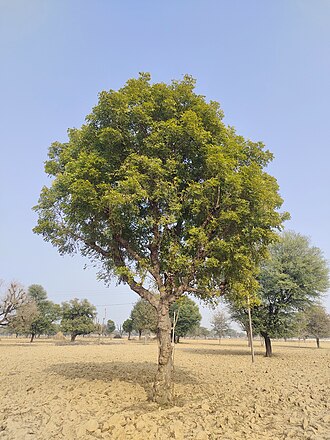
- Imparipinnate compound leaves
- Serrate leaf margins
- Acuminate apex
Why Traditional Knowledge Fails Modern Drug Discovery
Centuries of indigenous healing observations remain isolated from modern biomedical science due to severe taxonomic ambiguity, missing provenance, and biopiracy risks.
Taxonomic Fragmentation
Over 80% of indexed ethnopharmacology publications use outdated botanical synonyms (e.g. Ocimum sanctum vs accepted Ocimum tenuiflorum), fragmenting chemical and assay citations across disconnected databases.
Evidence Disconnect
Generic databases often conflate in-vitro enzymatic inhibition with clinical efficacy or historical folk claims, leading to reproducibility failures and unsubstantiated medicinal claims.
Over-Harvesting & Poaching
Publishing exact GPS coordinates of high-value medicinal plants without protection leads to illegal collection and local extinction of critically endangered taxa like Rauvolfia serpentina.
The 5-Stage Evidence Pipeline
Every connection in EthnoWeave follows an unbroken chain of custody from informant citation to molecular validation.
Ethnobotanical Mining
Survey records & informant interviews extracted with exact passage, informant consensus (ICF), and citation frequencies.
Taxonomic Harmonization
Vernacular Bengali names reconciled against Kew POWO and GBIF backbone. Synonyms and homonyms flagged.
Phytochemical Resolution
Isolated natural products mapped to PubChem CIDs, SMILES, and 2D chemical topologies with chromatographic evidence.
Bioactivity & Target Assays
Experimental IC50/Ki measurements mapped to human UniProt protein targets, categorizing in-vitro vs in-vivo.
Geospatial Stewardship
Occurrences mapped across all 8 divisions with server-side 10km grid centroid fuzzing for threatened species.
Three Research Tracks in One Evidence Graph
EthnoWeave directly addresses the international hackathon evaluation rubrics across all three designated tracks.
Traditional Knowledge Mining
Extracts, normalizes, and disambiguates field surveys from Bhola District (Rabbi, 2026; DOI: 10.5281/zenodo.18528943). Preserves vernacular Bengali names, informant counts (100 informants), relative frequency of citation (RFC), and exact text citations.
Natural Products Discovery
Integrates PubChem chemical topologies and ChEMBL 34 bioassays. Rigorously differentiates in-vitro measurements (IC50, Ki) from in-vivo and clinical trials, preventing unfounded claims while validating druggable targets.
Biodiversity & Sustainability
Connects species to geographic occurrence data from GBIF and coastal island surveys across all 8 Bangladesh administrative divisions. Enforces server-side 10km grid location fuzzing for endangered medicinal taxa.
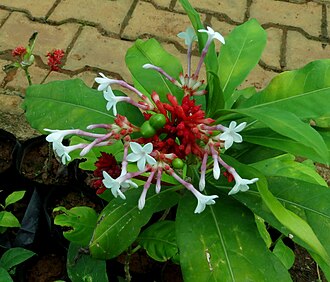
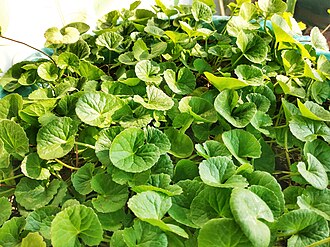
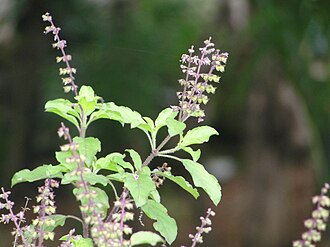
Authentic Specimen Library
High-resolution living field photography paired with morphology voucher plates from the REMP dataset (DOI: 10.17632/hnwrxg8zm8.1), CC BY 4.0.
Every Assertion Carries Full Scientific Provenance
Traceable Evidence Records
Unlike opaque AI aggregators, EthnoWeave stores exact quotations, page numbers, publication DOIs, and taxonomic reviewer identities for every plant claim in the database.
Four Verification States
Claims are never presented as proven medicine without rigorous verification:
Authoritative Data Foundations
EthnoWeave respects scientific copyright and attribution terms. Licences and DOIs are explicitly reported.
Primary field survey conducted June–Dec 2025 across 7 Upazilas with 100 informants documenting 39 medicinal species.
3,494 leaf images across 16 medicinal plant classes in Bangladesh, curated for morphological verification.
Structured bioassays, molecular target identifiers, canonical SMILES, and binding affinities.
Ready to Investigate Ethnobotanical Evidence?
Trace verified relationships across botanical taxonomy, phytochemical isolates, experimental bioactivity, and geographic distribution.